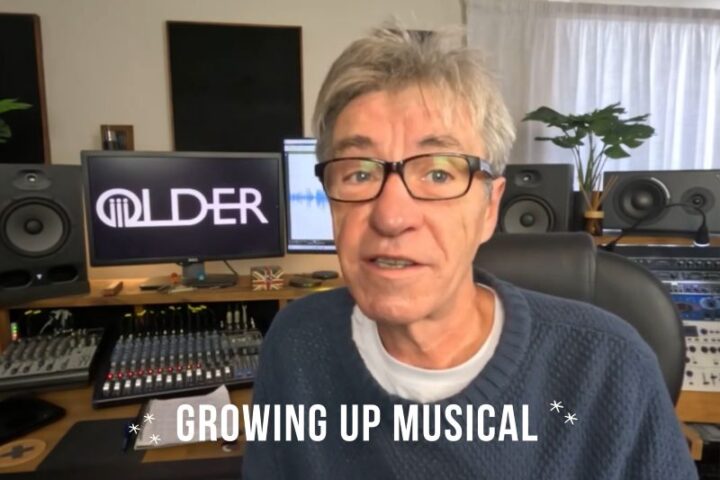
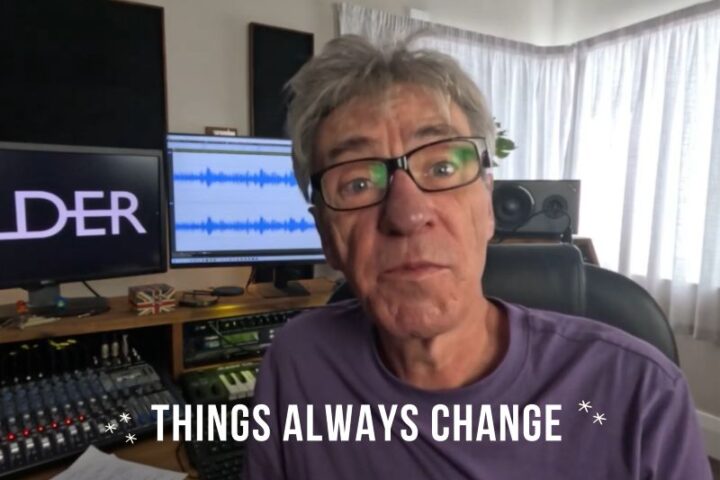
Great songs don’t need expensive studios. If you’ve ever caught yourself thinking, “I’d write better songs if I had better gear,” you’re not alone – most musicians have been there. We scroll through endless studio photos full of vintage microphones, boutique compressors, racks of outboard gear, and expensive guitars, and it’s easy to believe that’s the secret. I don’t think it is.
One of the biggest inspirations for me over the past 30 years has been Your Woman by White Town. It topped the UK charts in 1997 and is still instantly recognisable today. Yet it wasn’t recorded in a world-class studio with a million-dollar budget. Quite the opposite.
The recording was done in a spare bedroom using relatively inexpensive equipment. The vocals were reportedly recorded through a budget microphone (£20 from Tandy Electronics), and the multitrack recorder was a cassette-based Tascam 688 8 track machine that most professional studios wouldn’t have given a second glance. And yet it sounds fantastic.
The famous horn hook, sampled from a 1930s recording, is unforgettable. The vocals suit the song perfectly. The arrangement is simple but effective. Everything works because the song works. That’s the lesson. The song comes first.
Today, technology has never been more accessible. Almost anyone can record at home on equipment that is vastly better than what many hit records were made on during the ’80s and ’90s when ‘bedroom studios’ took off. Yet many of us still convince ourselves that buying another microphone, another plug-in or another piece of gear will somehow make our songs better. Sometimes better equipment helps but it won’t write a memorable chorus, it won’t create an emotional lyric and it won’t invent a hook that people are still humming 30 years later.
It’s easy to delay creating because we’re waiting for the “right” studio, the “right” microphone or the “right” interface. The reality is that listeners rarely care what microphone you used. They care whether the song makes them feel something. A powerful melody recorded on modest equipment will usually beat a mediocre song recorded in the world’s best studio.
Ironically, the equipment sitting in many home studios today is far superior to what was used on countless classic records. That means I have to be honest with myself. If one of my songs isn’t working, I can’t blame the gear – it’s me and I need to look at the songwriting.
I’m not suggesting equipment doesn’t matter at all. Good tools make recording easier and can certainly improve the final result from a technical perspective but they’re not the foundation for great art. The foundation is still the song. So if you’re waiting until you’ve saved enough money for the perfect studio, don’t. Write the songs, record them with what you have and keep improving your craft. Because history has already shown us that timeless music doesn’t come from expensive equipment. It comes from inspired songwriting.