My hearing is shot, so how do I still mix music?
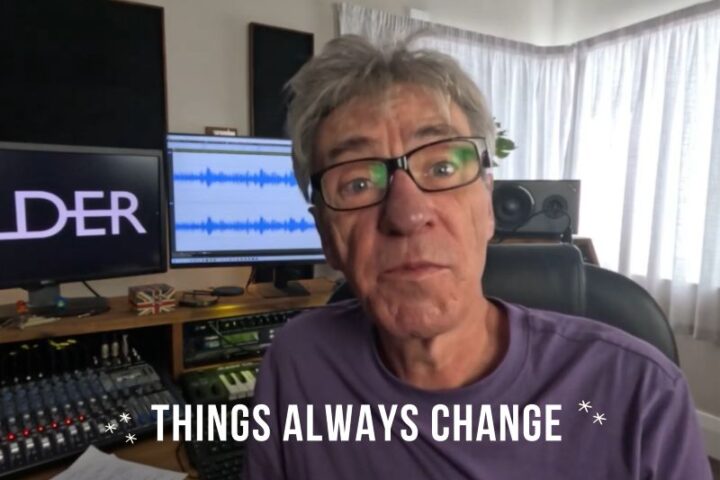
My hearing isn’t great. Years of making music, standing near loud things, and congenital degradation have all taken their toll. There are frequencies I don’t hear particularly well anymore, and if I sat down and really thought about that fact, I’d probably lose all confidence and walk straight out of the studio. Yet somehow, I’m still here, mixing and producing music that sounds professional.
How? Compensation. Over the years, your brain and your ears develop a working relationship. They learn together. Even when your hearing isn’t perfect, your brain starts filling in the gaps. You learn what a balanced mix feels like. You learn what works and what doesn’t. It’s not something I can easily explain. It’s just a skill that develops through years of listening, experimenting, and making mistakes.
Interestingly, this isn’t unusual. A lot of respected mix and mastering engineers have less-than-perfect hearing. It’s actually quite well known in the industry. Yet they continue producing incredible work. Their ears may not be flawless, but their experience is invaluable in compensating.
A few years ago, I started using a piece of software (Izotope Tonal Balance) that analysed thousands upon thousands of songs within a particular genre. It would show you where the energy sat across the frequency spectrum and compared your mix to professionally released tracks. The idea was simple. If your mix occupied roughly the same space and energy balance as successful songs in that genre, you were probably in the right ballpark. It was incredibly useful. These days, though, I rarely use it. After years of mixing, I can usually tell when something feels right, or wrong, within my hearing capability.
My real saving grace, however, comes at the very end of the process. Every finished mix gets sent to a younger, brilliantly talented mastering engineer in the UK. He works through an extremely expensive monitoring system and has ears that are considerably younger than mine. Naturally, I had to ask him the question. “Do my mixes give you a lot of trouble? Am I getting things horribly wrong?” His answer was reassuring. “No. They’re fine. Just minor tweaks.” That’s what I wanted to hear. Not major surgery, not rebuilding the entire mix from scratch. Just the normal little adjustments that mastering engineers make every day.
I still can’t fully explain why it works. Maybe it’s experience. Maybe it’s muscle memory for the ears. Maybe it’s simply thousands of hours spent listening critically to music. Whatever the reason, it does work. Of course I never get to hear anything over 15Khz in its full glory like I used to but that’s just ‘air’ not the fundamentals, so I can still hear hi hats and cymbals!
So if you’re sitting there worrying that your hearing isn’t what it used to be and wondering whether you can still make music, mix, or produce tracks, don’t assume it’s all over. It isn’t. Perfect hearing helps, of course. But experience, judgement, and knowing what you’re aiming for count for a great deal too.
Your ears might change but your ability to make music doesn’t have to.