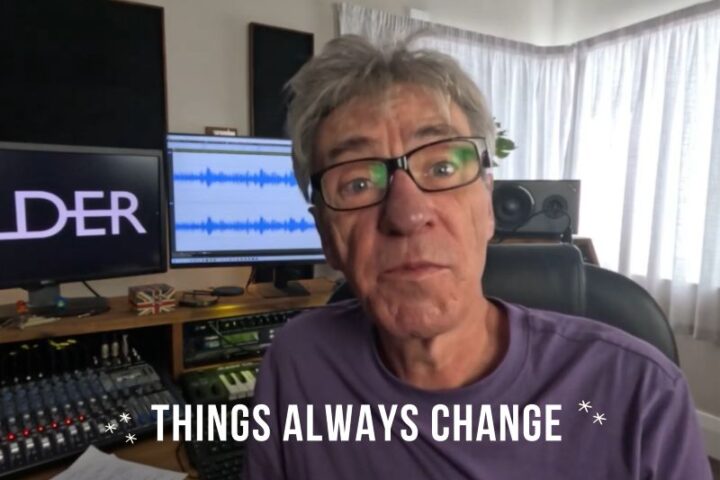
When people walk into my studio, they often notice the microphones, speakers, guitars and racks of equipment. But surprisingly, one of the things they comment on most isn’t the gear at all. It’s the furniture. The studio furniture behind me wasn’t bought from a specialist manufacturer. I built it myself.
When I was putting this studio together, I spent a lot of time looking at commercial studio desks and workstations. There are some beautifully made options available, but none of them really suited the way I work. Even if I had imported one into New Zealand, it would have been expensive and still wouldn’t have done exactly what I wanted. So I decided to build my own.
Every studio is different. Some people have racks of outboard gear, others work entirely “in the box” with a computer. Some need room for several keyboards, while others need space for guitars, pedals or mixers. Rather than trying to make my workflow fit someone else’s furniture, I built furniture that fits my workflow. Everything has its place and everything is within easy reach. The layout is comfortable to work in for long sessions, and that is essential when you’re spending hours recording or mixing.
I used laminated timber benchtop panels, the sort commonly used for kitchen benches and worktops. They’re made from lots of smaller pieces of timber glued together, making them incredibly stable and strong without being excessively heavy. They’re readily available here in New Zealand, reasonably priced, and easy to work with if you have basic woodworking tools. The finished result feels solid and professional.
One thing I was careful about was making the whole setup modular. The complete studio bench is around four metres wide and about one and a half metres deep at its largest point. There was no way that was ever going to fit through a doorway in one piece. Instead, I built it as four separate sections which bolt together. That meant I could build everything comfortably in the garage, carry each section into the studio, assemble it inside, and if I ever move house, it can all come apart again without too much drama. It takes a little more planning, but it’s well worth it.
So, was it worth it?
Absolutely! The whole project probably cost around a couple of thousand New Zealand dollars in materials at today’s prices. That might sound like a lot compared with using an old desk or second-hand table, but compared with importing custom studio furniture, it represented excellent value. More importantly, I ended up with something that works exactly the way I need it to.
Good studio furniture doesn’t make your recordings sound better, but it does change how people experience your studio. A tidy, organised workspace gives confidence. It makes expensive gear look even more impressive, and even modest gear looks professional when it’s thoughtfully laid out.
Should you build your own?
If you enjoy woodworking, have access to some basic tools, and don’t mind spending a few weekends on a project, I’d certainly recommend considering it. You don’t need to copy someone else’s design. Build something that suits the way you create. After all, your studio should work for you, not the other way around.